Independent research · AI accountability
The system acts. Who answers?
AI now makes real decisions: payments, refunds, emails. A person is meant to check. This lab designs that check, so a “yes” actually means something.
Read the story instead
- Every day, AI proposes decisions like this one: release £84,200 to a supplier.
- Someone clicks Approve. It takes about a second.
- Six months later, the money is gone. The log says who clicked. Not what they knew. Not whether they could have said no.
- So we run it again.
- This time, the evidence sits next to the proposal. One fact is missing (who owns the new bank account), and the screen says so.
- The rules say a changed bank account needs two people to confirm it. So the system holds the payment and waits for them.
- And everything is kept: what was proposed, what was known, who decided, and why.
- Same AI. Same person. Different design.
- The system acts. Who answers? That is what Accountability Lab designs.
Ask before actingKeep the recordWatch the workTest the system
Now you try
Same payment. You’re the reviewer.
Pick what happens. Every choice leaves a record, so you can see what a “yes” is made of. All data here is synthetic.
AI proposal · ADR-2048-A7
Release £84,200 to Northstar Components
confidence 0.94Evidence · beside the proposal
- Invoice matches the orderverified
- Goods received, 09:14verified
- A delay would stop productionlikely
- Who owns the new bank accountnot verified
Authority
A changed bank account needs Treasury and Procurement to confirm it.
Decision record
ADR-2048-A7No decision yet.
Pick an action. The record writes itself the moment you act.
The problem
An AI says: “Pay this invoice.”
Someone clicks Approve.
But did they read it?
Did they have what they needed to decide?
Could they have said no?
Could anyone tell, six months later, what actually happened?
That’s not a policy question. It’s a design question.
So every AI decision has to answer four questions.
What did the person actually know when they clicked Approve?
Can you see what happened after the screen is gone?
Can someone push back, undo it, or ask why?
Accountability Studio
Five instruments. One chain of responsibility.
Use the Studio to move from an AI proposal to an inspectable, supervised and evaluable operational decision.
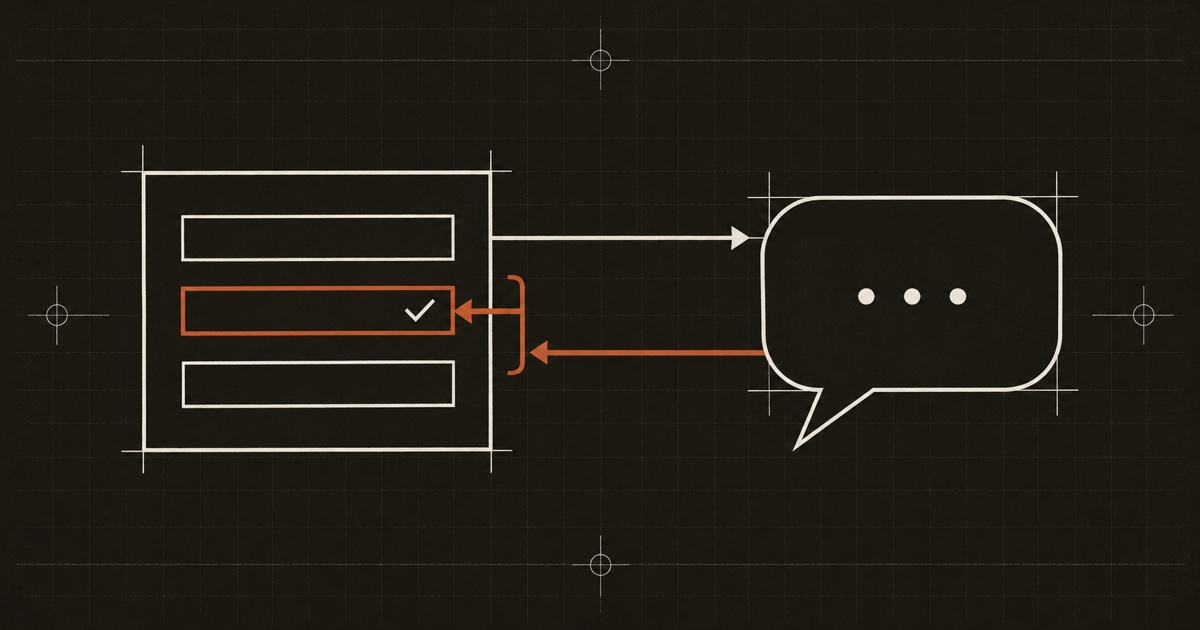
Where should a person intervene?
Approval Pattern Gallery
Eight interaction patterns for consequential AI actions.EnterCan we reconstruct what happened?
Decision Record Explorer
Inspect the evidence, authority and interventions preserved with a decision.EnterWhat deserves attention now?
Oversight Console
Supervise a live synthetic queue without reducing oversight to alert counting.EnterHow accountable is this workflow?
Accountability Eval Kit
Assess six capabilities and expose the weakest link in the operating model.EnterHow should agent experiences feel?
AX Pattern Library
Ten practitioner patterns for whether people trust, use and govern AI agents. Five come with narrated walkthroughs.Enter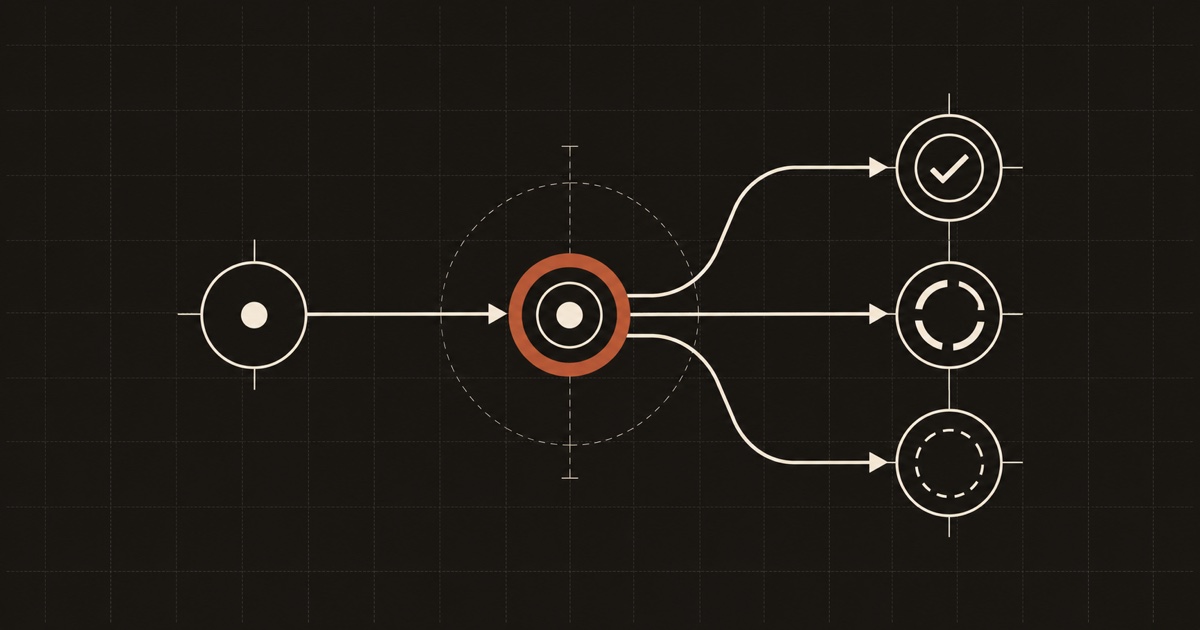
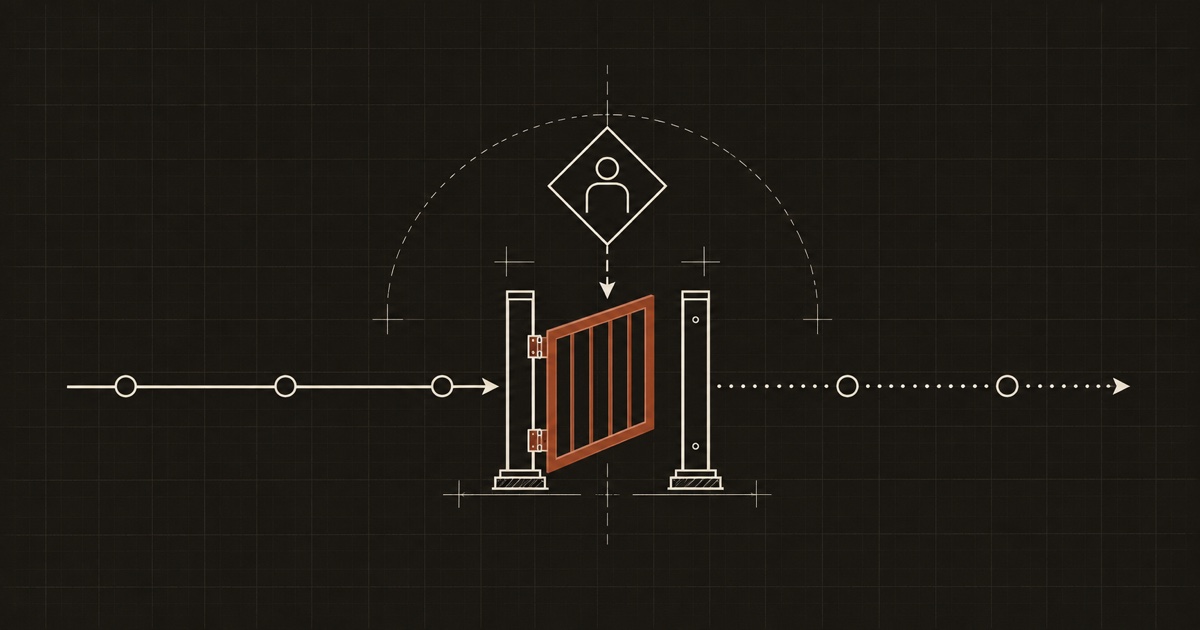
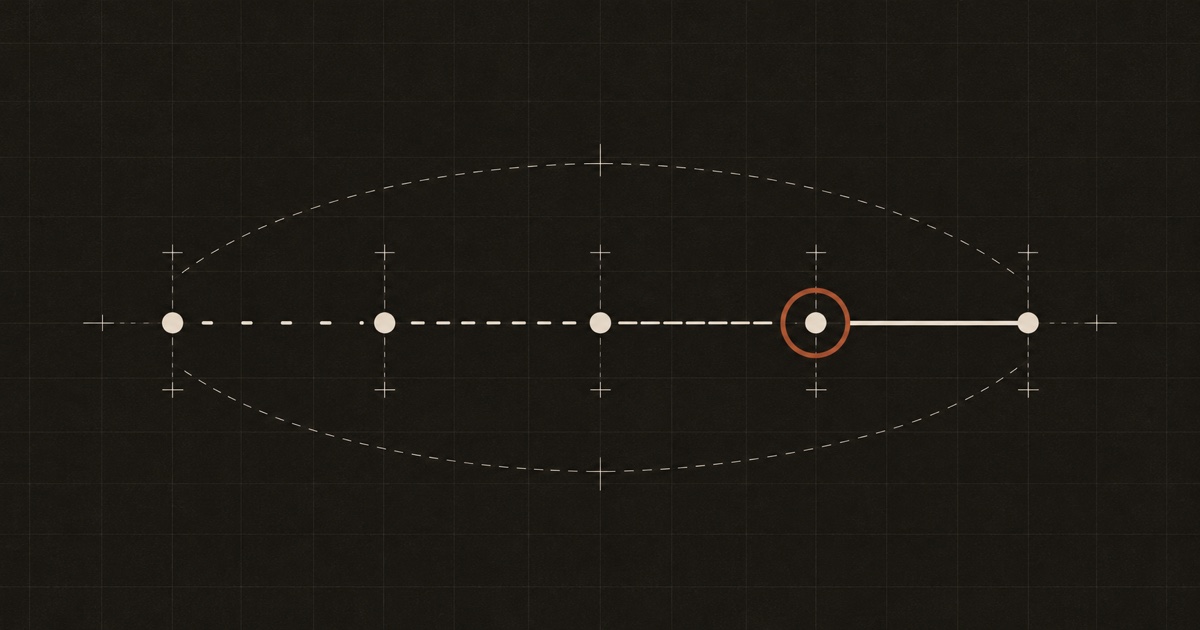
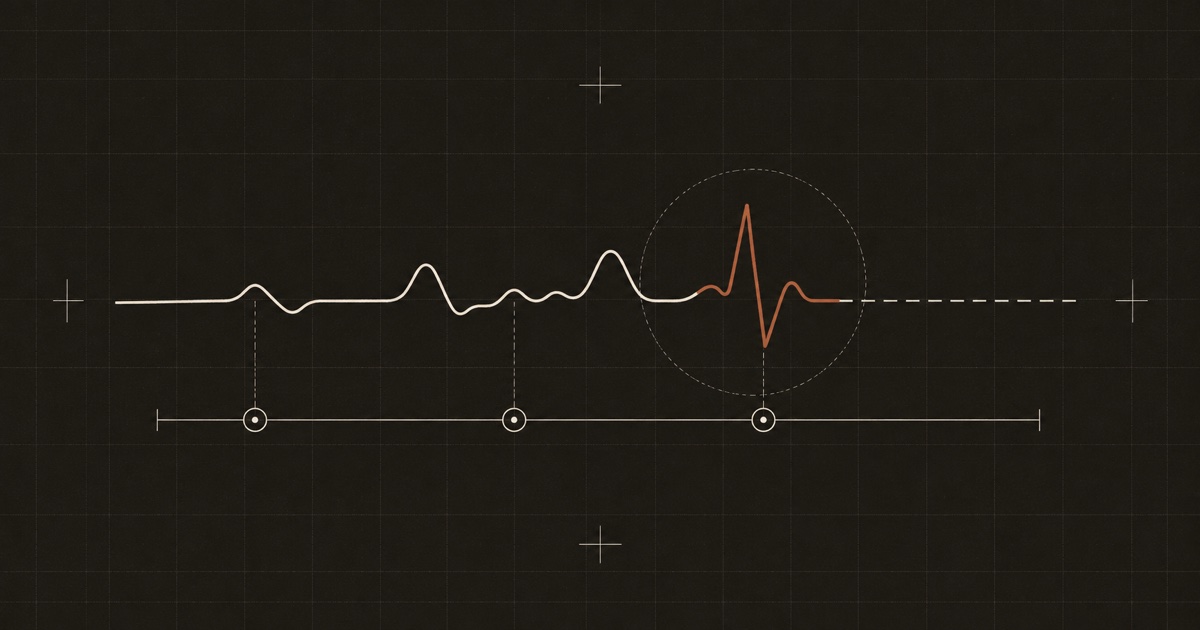
Watch the patterns
One decision each. Under a minute.
Narrated walkthroughs with captions. Each one follows a single AI decision from start to finish. Every pattern page also has a text version.
Looking for a quick introduction? Watch three short films about the Lab
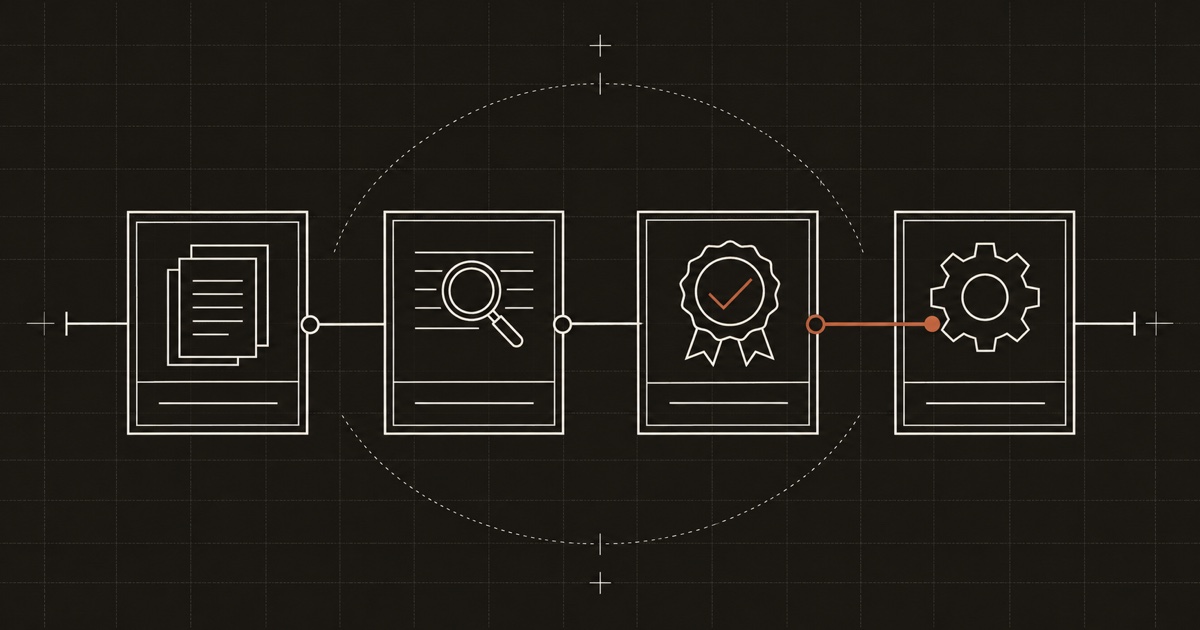
The accountability chain
Design the gate. Preserve the decision. Supervise the operation. Evaluate the system.
Proposal→Intervention→Record→Oversight→Learning
About Accountability Lab
Research you can inspect, question and use.
Accountability Lab is an independent research practice created by Tony Key, a senior UX and product designer investigating how organisations can use AI with meaningful human control.
It turns abstract obligations—oversight, traceability, authority, contestability and recovery—into interfaces and workflows that experts, product teams and business leaders can examine together.
This is deliberately show-and-tell research: synthetic demonstrations, open questions and practical design propositions rather than claims of a finished product or guaranteed compliance.
About Tony and his work ↗